
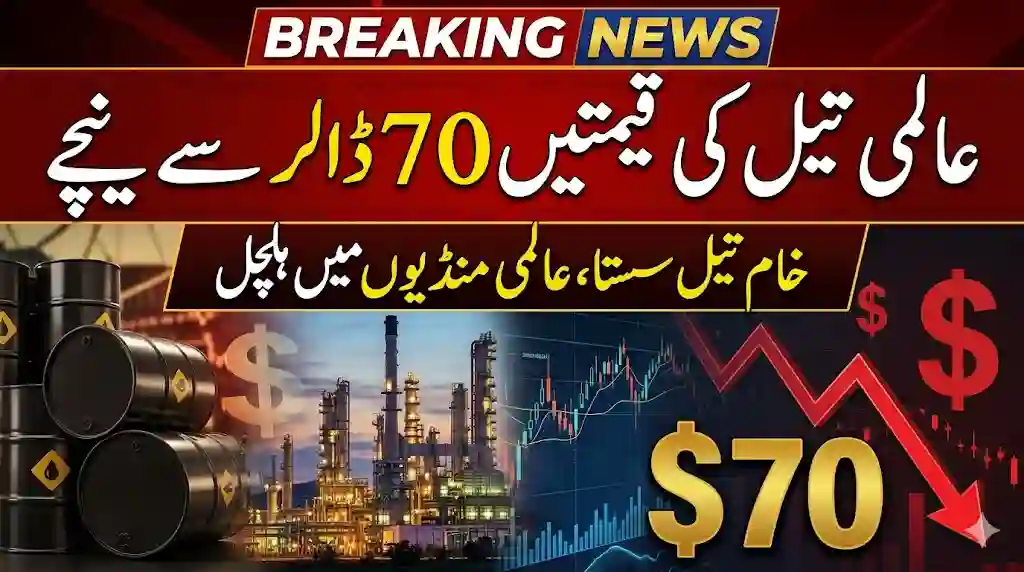
Global energy markets witnessed a major shift as international crude oil prices fell below the $70 per barrel mark, raising concerns and opportunities across economies worldwide. The latest decline has sparked discussions among investors, policymakers, and businesses about the future direction of the global oil market. While lower oil prices can provide relief to consumers and oil-importing nations, they also create challenges for oil-producing countries that depend heavily on petroleum revenues.
The recent drop in crude oil prices comes amid slowing economic growth, changing energy consumption patterns, and increasing supply from major oil-producing nations. As markets continue to assess the impact of these developments, many people are asking important questions such as: Is the price of oil falling? Why has the oil price dropped so much? Who holds 80% of the world’s oil reserves? And which country has the cheapest oil per barrel?
International Oil Prices Fall Below $70 Per Barrel
International crude oil prices have experienced significant volatility over the past few years. After reaching elevated levels due to geopolitical tensions and supply disruptions, prices have recently moved downward. The decline below $70 per barrel has attracted global attention because oil remains one of the most important commodities in the world economy.
Lower oil prices generally reduce transportation and production costs, helping businesses and consumers. However, they can also reduce government revenues in countries that rely heavily on oil exports. As a result, the current crude oil slump is being closely monitored by governments, investors, and energy companies.
Is the Price of Oil Falling?
Yes, the price of oil has been falling in recent months due to several economic and market factors. Global demand growth has slowed compared to previous years, while supply from major producers has remained relatively strong.
Several indicators suggest that international crude oil prices have entered a period of downward pressure. Market analysts point to weaker industrial activity in major economies, slower growth in global trade, and concerns about future energy demand as key reasons behind the decline.
Although short-term price fluctuations are common in the oil market, many experts believe that current conditions have created a challenging environment for significant price increases in the near future.
Why Has the Oil Price Dropped So Much?
One of the most frequently asked questions today is: Why has the oil price dropped so much? The answer lies in a combination of supply and demand factors.
1. Slower Global Economic Growth
Economic growth plays a crucial role in determining oil demand. When economies expand, industries consume more energy, transportation activity increases, and fuel demand rises. However, concerns about slower growth in major economies have reduced expectations for future oil consumption.
2. Increased Oil Production
Several oil-producing nations have continued to maintain or increase production levels. Higher production contributes to greater market supply, which can push prices downward if demand does not keep pace.
3. Weak Demand Forecasts
Energy agencies and financial institutions have revised demand forecasts in response to changing economic conditions. Lower expected consumption has contributed to bearish sentiment in oil markets.
4. Growth of Renewable Energy
The global transition toward renewable energy sources is gradually reducing dependence on fossil fuels. Investments in solar, wind, and electric vehicle technologies are influencing long-term demand expectations for crude oil.
5. Market Speculation
Financial markets also affect oil prices. Investor sentiment, economic data releases, and geopolitical developments often influence trading activity and contribute to price volatility.
How Lower Oil Prices Affect Global Markets
The decline in international crude oil prices has far-reaching effects on global financial and economic systems.
Stock Markets
Lower oil prices can benefit sectors such as airlines, transportation, logistics, and manufacturing because fuel costs decline. However, energy companies often face pressure on profits, which can negatively impact stock performance.
Inflation Trends
Energy costs are a major component of inflation. When oil prices fall, transportation and production expenses typically decrease, helping reduce inflationary pressures.
Business Costs
Many businesses benefit from cheaper fuel and energy costs. Lower operational expenses can improve profitability and support economic activity.
Consumer Spending
Consumers often spend less on fuel when oil prices decline. The resulting savings can increase spending in other sectors of the economy, supporting economic growth.
Who Holds 80% of the World’s Oil?
A significant portion of the world’s proven oil reserves is concentrated in a relatively small number of countries. Many estimates suggest that members of the Organization of the Petroleum Exporting Countries (OPEC) collectively control around 80% of the world’s proven crude oil reserves.
Major oil-rich countries include:
- Saudi Arabia
- Venezuela
- Iran
- Iraq
- Kuwait
- United Arab Emirates
These nations play a crucial role in the global oil market because their production decisions can significantly influence international crude oil prices. OPEC oil production policies often affect market supply and price trends worldwide.
The concentration of oil reserves in a few regions highlights the strategic importance of energy resources in international economics and geopolitics.
Which Country Has the Cheapest Oil Per Barrel?
When discussing oil prices, it is important to distinguish between market prices and production costs.
The market price refers to the amount buyers pay for crude oil in international markets. Production cost refers to the expense involved in extracting oil from the ground.
Countries in the Middle East, particularly Saudi Arabia, are often cited among the lowest-cost oil producers in the world. Their vast reserves, favorable geology, and efficient infrastructure allow them to extract crude oil at relatively low costs compared to many other producers.
Other countries with competitive production costs include:
- Kuwait
- Iraq
- United Arab Emirates
In contrast, offshore drilling projects and unconventional oil production methods generally involve significantly higher costs.
Impact on Oil-Producing Countries
The fall in international oil prices can create serious financial challenges for oil-exporting nations.
Reduced Government Revenue
Many governments rely heavily on oil exports to fund public spending. Lower prices mean reduced export earnings and smaller government revenues.
Budget Pressures
Countries dependent on petroleum income may face budget deficits if oil prices remain low for an extended period.
Economic Growth Challenges
Lower energy revenues can affect infrastructure projects, public services, and investment plans in oil-producing economies.
Benefits for Oil-Importing Nations
While oil exporters face challenges, oil-importing countries often benefit from lower crude oil prices.
Lower Import Bills
Countries that import large quantities of oil spend less on energy purchases when prices decline.
Improved Trade Balance
Reduced import costs can help improve trade balances and foreign exchange reserves.
Support for Economic Growth
Lower energy costs can stimulate industrial activity, transportation, and consumer spending.
What Does This Mean for Pakistan?
Pakistan is a major oil-importing country, meaning lower international crude oil prices can provide economic relief.
Potential Reduction in Fuel Costs
If international prices remain low, domestic fuel prices may become more stable, depending on taxation and government policies.
Lower Inflation
Reduced transportation and energy costs can help ease inflationary pressures across the economy.
Improved Foreign Exchange Position
Lower oil import costs may reduce pressure on Pakistan’s foreign exchange reserves and current account balance.
However, global oil market volatility remains a factor, and future price movements will depend on international developments.
Future Outlook for Oil Prices
The future direction of oil prices will depend on several factors:
Global Economic Performance
Stronger economic growth could increase oil demand and support higher prices.
OPEC Production Decisions
Changes in OPEC oil production policies can significantly influence market supply.
Geopolitical Events
Conflicts, sanctions, and international tensions often affect energy markets.
Renewable Energy Expansion
The continued growth of renewable energy technologies may shape long-term demand trends.
Energy Demand from Emerging Markets
Countries with growing populations and industrial sectors could support future oil consumption growth.
Most analysts expect continued volatility in the global oil market as supply and demand conditions evolve.
Conclusion
The fact that international oil prices have dropped below $70 per barrel marks an important development for the global economy. While lower prices create challenges for oil-exporting countries, they provide opportunities for consumers, businesses, and oil-importing nations. The decline reflects a combination of slower economic growth, increased supply, changing energy trends, and shifting market expectations.
As governments, investors, and businesses evaluate the situation, the future of the global oil market will largely depend on economic recovery, OPEC production decisions, geopolitical developments, and evolving energy consumption patterns. For now, the crude oil slump remains one of the most closely watched developments in international markets.
Frequently Asked Questions (FAQs) OPEC Oil Production
Q1: Is the price of oil falling globally?
Yes, international crude oil prices have been trending downward due to weaker demand growth, economic uncertainty, and strong supply levels.
Q2: Why has the oil price dropped so much recently?
The decline is mainly driven by slower global economic growth, increased production, weaker demand forecasts, and the growing adoption of renewable energy sources.
Q3: Who holds 80% of the world’s oil reserves?
Most estimates indicate that OPEC member countries collectively control around 80% of the world’s proven crude oil reserves.
Q4: Which country has the cheapest oil production cost per barrel?
Saudi Arabia is widely recognized as one of the countries with the lowest oil production costs due to its vast reserves and efficient extraction infrastructure.
Q5: How do lower oil prices affect consumers and businesses?
Lower oil prices can reduce fuel costs, transportation expenses, and inflation, benefiting both consumers and businesses through lower operating costs and increased purchasing power.